

The publication of the Home Office’s Terrorism (Protection of Premises) Act 2025 Statutory Guidance on 15th April 2026 marks the formal shift in...
Martyn’s Law implementation — cutting through the noise and building genuine readiness
Martyn’s Law isn’t just about compliance — it’s about readiness
ProtectUK currently lists the UK national terrorism threat level as SEVERE, meaning an attack is assessed as highly likely.
Your emergency arrangements should be flexible enough to support your response to a range of risks and threats in order that you can evacuate, invacuate, lockdown/control access and communicate.
In 60 seconds
With Martyn’s Law statutory guidance now published, venues, events and publicly accessible locations across the UK are rightly reviewing their preparedness. For event directors, operations leads, security teams and senior leaders, the question is no longer whether it matters — but how to implement it in a way that is proportionate, practical and genuinely effective under pressure. The market has quickly become crowded with organisations offering support, consultancy, products and training. Some of this will add value, but much risks creating unnecessary complexity. Martyn’s Law should not become a procurement exercise. It should be a readiness exercise.Who this is for
This article is for Event Directors, Operations Directors, Security Directors and Chief Executives.
What the guidance and good practice says
A simple starting point: four core capabilities
- Evacuation — moving people away from danger safely and quickly with a range of options covering directional, partial, full evacuation.
- Invacuation — moving people to safer internal areas
- Lockdown or controlled access — restricting movement and protecting spaces
- Communication — providing clear, timely instructions both internally and with external parties
These are simple topics in concept, but delivering them effectively using industry guidance and good practice takes time and resource. In our experience, preparing your people is the most time consuming aspect of the planning.
What good looks like
People first — not just plans and technology
- Technology supports protective security, but people make the difference.
- Staff must recognise risks, escalate information, make decisions and communicate clearly.
- A written plan alone is not readiness — it must be trained, exercised and tested.
- In our experience, the investment in training and exercising your plans makes the biggest difference to your preparedness.
Live drills: practical, proportionate and high impact
- Effective drills can be cheap to run, short and focused on testing processes, building muscle memory and awareness.
- Exercises can test specific capabilities such as communication or escalation.
- Well-designed drills increase confidence, while poorly designed ones can create false assurance.
Common mistakes we see
Why operational experience matters
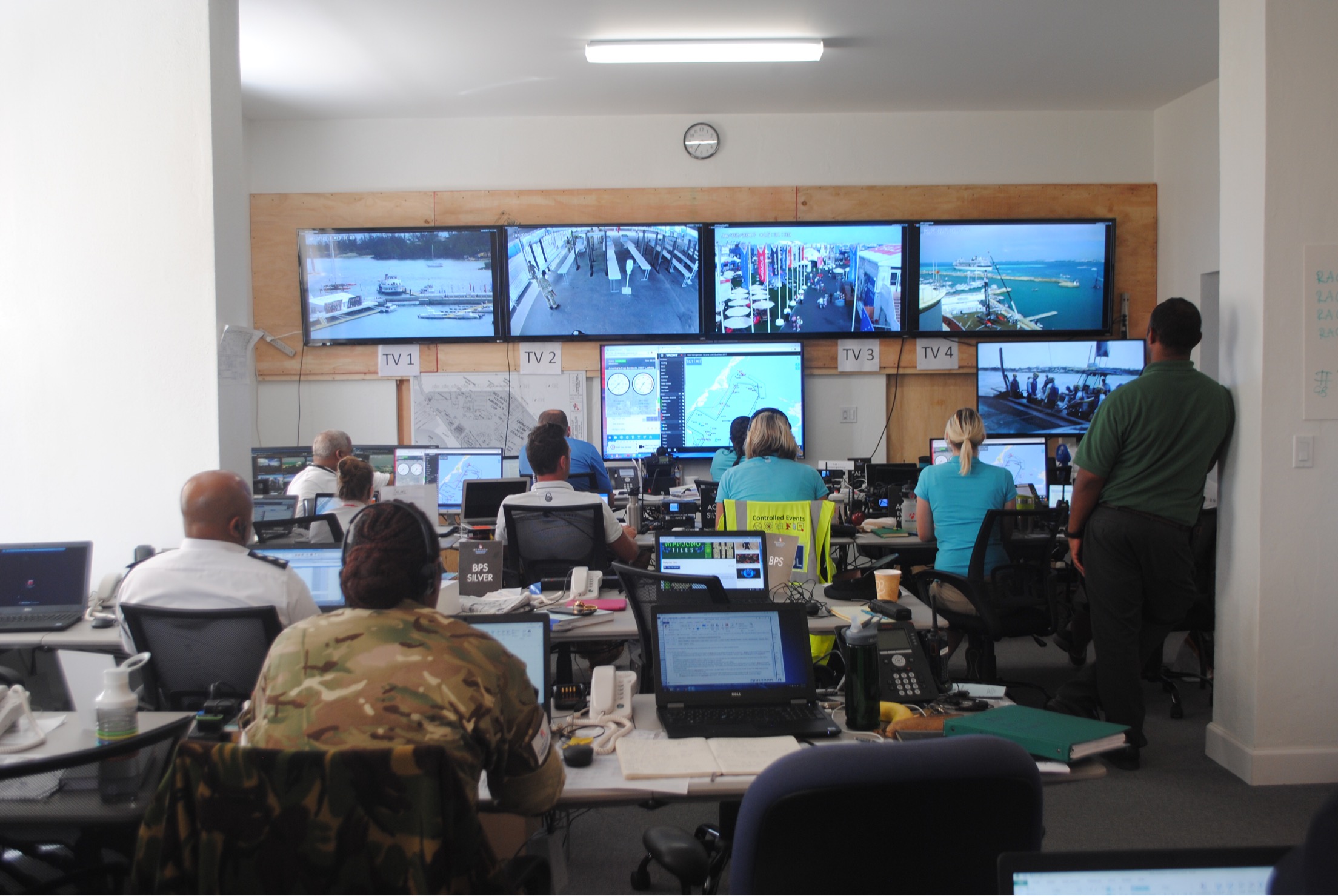
Martyn’s Law will be delivered in real-world environments: control rooms, organisaitons, venues and complex events and we know many businesses already have a lot of the key arrangements started. We are here to support those clusters of neighbouring organisations facing security and incident management challenges, complex organisations that need more bespoke assistance and organisations looking to mature their arrangements.
A proportionate route to implementation
With over 20 years of experience in incidents and control rooms, we provide insightful, expert, practical and proportionate advice. This includes assessing current arrangements, making best use of free resources, identifying gaps and testing through exercises. The outcome is a clear, prioritised action plan.
Training that builds real competence
Training should be practical and relevant. Controlled Events supports operational training, accredited programmes and control room development. The aim is to ensure people can act with confidence when it matters.
Practical checklist
Contact us for a bespoke action plan and use this checklist as a starting guide:
1. Governance & Accountability
- Appoint a Responsible Person for protective security and compliance
- (Enhanced tier) Identify a senior accountable individual
- Define clear roles and responsibilities for incident response (e.g. Duty Manager, Control, Wardens)
- Maintain a documented emergency response plan covering terrorism scenarios
2. Risk & Threat Assessment
- Conduct a proportionate terrorism risk assessment (threats, vulnerabilities, crowd profile)
- Consider multiple attack methodologies (e.g. marauding attack, vehicle as weapon, IED)
- Identify critical assets, crowded areas, and pinch points
- Determine appropriate response options (evacuation vs invacuation vs lockdown)
3. Core Response Procedures
- Define Evacuation procedures (routes, exits, assembly/muster points)
- Define Lockdown procedures (secure, lock, deny entry, protect occupants)
- Define Invacuation / shelter procedures (move to safer internal areas)
- Identify and map protected spaces / refuges
- Ensure procedures are proportionate, reasonable, and life‑saving focused
4. Decision-Making & Activation
- Identify who can initiate evacuation / lockdown / invacuation
- Ensure rapid decision-making without waiting for emergency services
- Provide clear triggers / thresholds for each response option
- Ensure actions align with“protect life first” principles
5. Communication
- Establish alerting methods (PA, radios, mass notification systems)
- Ensure staff can communicate instructions quickly to the public
- Pre-plan plain language messaging (avoid confusion under stress)
- Define communication links with emergency services and neighbours
6. Physical & Operational Measures
- Ensure escape routes are known, accessible and protected
- Identify lockdown capabilities (doors, shutters, access control)
- Consider protective security measures (CCTV, screening, vehicle controls for enhanced tier)
- Provide grab kits/emergency resources where appropriate
7. People & Training
- Train all staff on evacuation, lockdown and invacuation actions
- Ensure staff recognise threats and act immediately
- Deliver regular drills and exercises (multi‑scenario)
- Maintain training and exercise records for assurance/audit
8. Testing, Exercising & Assurance
- Test plans regularly (live or tabletop)
- Validate route capacity, timings, and decision-making
- Capture lessons learned and update plans
- Ensure plans are understood and usable under pressure 9. Multi‑Agency & Integration
- Share plans with police, fire, ambulance and local partners
- Align with local emergency plans / JESIP principles (operational good practice)
- Establish coordination arrangements for incidents
9. Documentation & Evidence (Protect Duty)
- Maintain documented procedures and plans (especially enhanced tier)
- Evidence training, drills, and updates
- Keep records of decisions and improvements
- Be able to demonstrate“reasonably practicable” compliance
FAQs
What does ‘operational readiness’ actually mean?
Operational readiness is the ability of a team or organisation to respond effectively to incidents or deliver events safely. It includes:
- Trained people
- Clear procedures
- Tested systems
- Strong communication protocols
How can organisations improve their readiness?
Key ways include:
- Scenario-based training
- Regular exercises and simulations
- Clear roles and responsibilities
- Reviewing and refining processes after events
Training plays a key role in building confidence and coordination under pressure.
Why do teams struggle during live incidents even if they are experienced?
Control rooms often bring together people who don’t usually work together, meaning:
- There may be no shared processes
- Communication styles may differ
- Decision-making structures may be unclear
This can impact performance unless teams have trained together beforehand.
Controlled Events supports readiness reviews, training and live drills. Get in touch to arrange a conversation about your next steps.