
The publication of the Home Office’s Terrorism (Protection of Premises) Act 2025 Statutory Guidance on 15th April 2026 marks the formal shift in...
LAEOG Conference Reflections
Lunchtime Conference: Reflections on a Week of Essential Event Safety & Strategy
The latest LAEOG conference reinforced a simple reality for the events industry: resilience, compliance and operational readiness can only improve through continual collaboration, learning and knowledge sharing.
In 60 seconds
The recent LAEOG online conference delivered a week of strategic discussion, operational learning and sector wide reflection across event safety, resilience and compliance. Controlled Events supported the programme with a specialist session on Control Room Operations, while the wider conference explored Martyn’s Law, SIA standards, police costs, child welfare, exercising, data and operational risk management across the events industry.Who this is for
Local Authorities, Event Organisers, Safety Advisory Groups, Security Leads, Control Room Teams, Event Operations Managers, Resilience Professionals and organisations responsible for event planning, public safety and operational delivery.
What the guidance and good practice says
A Week Focused on Readiness and Collaboration
The recent LAEOG online conference provided a valuable week of learning, reflection and operational discussion for professionals working across the events sector.
The programme demonstrated the importance of continual professional development and collaborative learning as the industry navigates increasingly complex operational, compliance and resilience challenges.
The breadth of sessions highlighted how interconnected modern event planning has become, with safety, security, resilience, welfare and governance now closely linked across all areas of delivery.
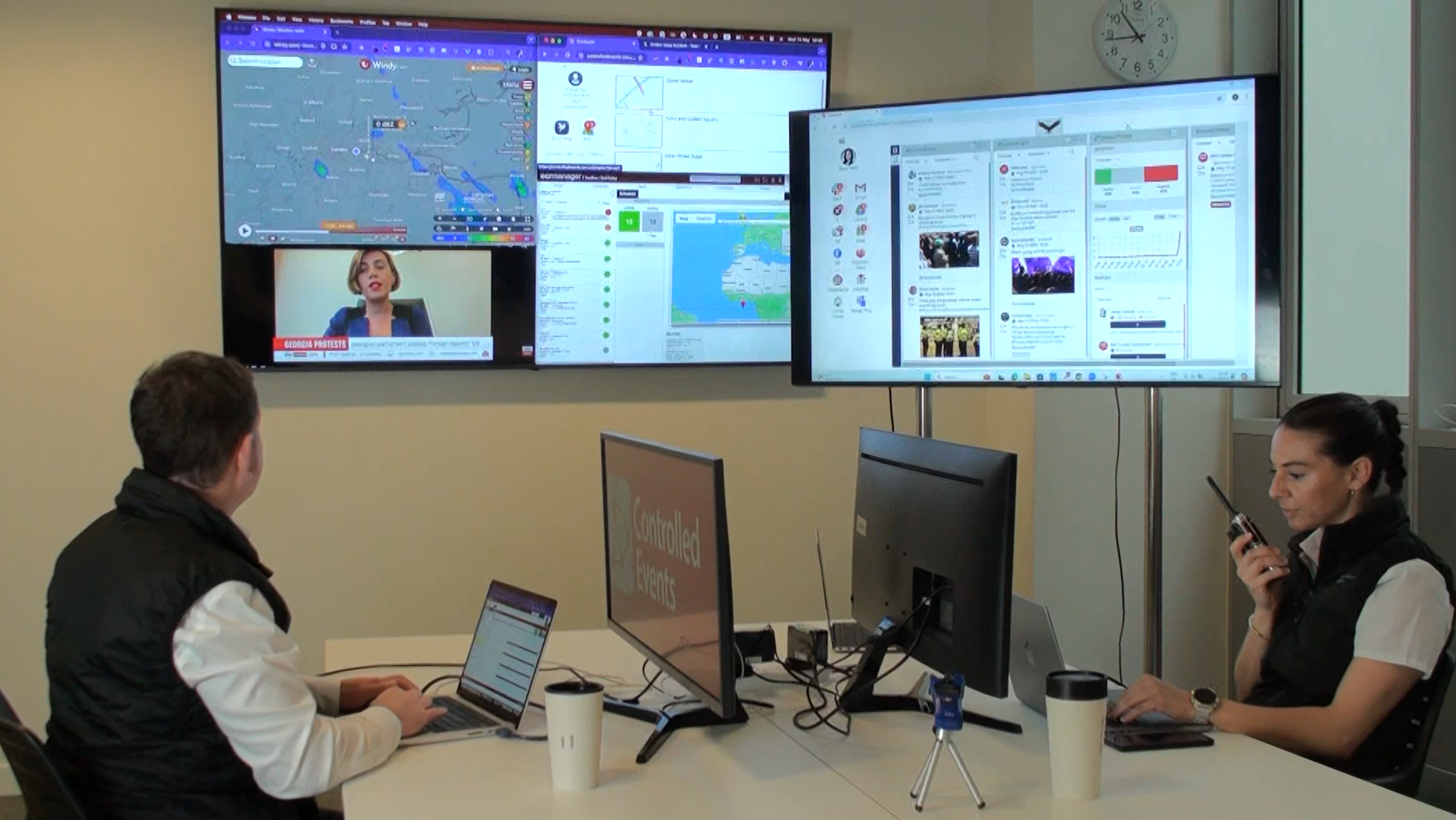
Supporting LAEOG Through Control Room Operations Training
Controlled Events supported the conference with a dedicated Control Room Operations knowledge session based on key principles from the @skillsforjustice accredited Control Room Operations Management course.
The session explored:
- Control room design principles
- Incident management structures
- Operational logging
- Exercising and preparedness
- Communication and coordination challenges
The discussion reinforced that many of these principles apply across events and venues of all sizes, not only major operations.
With increasing interest from organisations planning future training and exercising programmes, the session highlighted the growing importance of operational readiness and structured coordination capability.
Key Themes Across the Conference
The wider conference programme demonstrated the depth and diversity of operational challenges currently facing the sector.
Safety and Compliance
Sessions led by Anne Marie Chebib of the UK Crowd Management Association explored the evolving safety and compliance landscape, including SIA standards and the continued development of Martyn’s Law.
The programme also addressed specialist operational risks including funfair safety and inspection considerations.
Strategy and Sector Discussion
The LAEOG Open Session facilitated important industry discussion around operational and financial pressures affecting organisers and local authorities.
Topics such as Police Costs and the operational implications of the Brockwell Park Festival ruling highlighted the increasingly complex decision making environment event professionals must navigate.
Data, Welfare and Advocacy
The conference also explored wider strategic themes including:
- The Value of Events Research Project
- Sector advocacy and evidence based decision making
- Child welfare and safeguarding within event environments
These discussions reinforced the importance of balancing operational delivery with wider social, reputational and community responsibilities.
The Importance of Industry Networks
The conference highlighted the ongoing value of collaborative industry networks such as LAEOG.
As compliance expectations and operational risks continue to evolve, access to specialist knowledge, peer discussion and sector wide learning becomes increasingly important.
Programmes such as this help organisations remain informed, connected and operationally prepared throughout the year rather than relying solely on isolated training moments.
Training and Professional Development
The continued focus on training, exercising and operational capability throughout the conference reflected a wider industry shift toward proactive readiness rather than reactive response.
Upskilling teams in areas such as control room operations, incident management and multi agency coordination is becoming an increasingly important investment for organisations operating within complex public environments.
What good looks like
- Strong collaboration between local authorities, organisers and operational partners
- Ongoing professional development and knowledge sharing
- Integrated approaches to safety, security and resilience
- Regular exercising and operational training
- Clear control room structures and communication protocols
- Cross sector discussion around emerging risks and legislation
- Evidence based planning and decision making
- Strong welfare and safeguarding considerations
- Access to specialist networks and learning opportunities
- Investment in readiness rather than reactive compliance
Common mistakes we see
Treating training as a one off exercise
Operational readiness requires continual development, reflection and practice.
Operating in silos
Without collaboration and shared learning, organisations risk repeating the same operational weaknesses.
Underestimating control room capability requirements
Control room operations demand structured processes, communication discipline and clear coordination frameworks.
Focusing only on compliance
True resilience depends on practical capability, confidence and operational integration.
Failing to invest in professional development
As operational risks evolve, organisations must ensure teams remain informed and adaptable.
Ignoring welfare and human factors
Event safety extends beyond physical security and includes welfare, safeguarding and communication considerations.
Practical checklist
- Review current control room structures and operating procedures
- Assess training and exercising capability across teams
- Strengthen communication and logging processes
- Ensure incident management structures are clearly defined
- Integrate safety, resilience and welfare planning
- Review emerging compliance requirements including Martyn’s Law
- Engage with professional networks and sector learning opportunities
- Encourage cross organisational collaboration and information sharing
- Build exercising programmes that reflect realistic operational pressures
- Support continual professional development across operational teams
FAQs
What is LAEOG?
The Local Authority Event Organisers Group is a professional network supporting collaboration, learning and operational development across the events sector.
Why are conferences like this important?
They provide opportunities for shared learning, operational discussion and professional development across emerging risks, legislation and best practice.
Why is control room training becoming more important?
Modern events require increasingly coordinated communication, decision making and incident management capability.
What topics were discussed during the conference?
Sessions covered Martyn’s Law, SIA standards, exercising, police costs, child welfare, resilience planning and operational coordination.
How can organisations improve operational readiness?
Through continual training, exercising, collaboration and investment in practical capability development.
Why are industry networks valuable?
They help organisations stay informed, connected and prepared as operational risks and compliance expectations continue to evolve.
Controlled Events continues to support organisations through specialist training, exercising and operational readiness programmes focused on real world event delivery and resilience.
Whether your organisation is reviewing control room operations, preparing for emerging legislation or developing team capability, we can help strengthen practical readiness and operational confidence.
If you would like to discuss training, exercising or future operational planning, please contact the team to explore how we can support your organisation.