
The publication of the Home Office’s Terrorism (Protection of Premises) Act 2025 Statutory Guidance on 15th April 2026 marks the formal shift in...
Omnicrisis and Power Outages
Omnicrisis and Power Outages
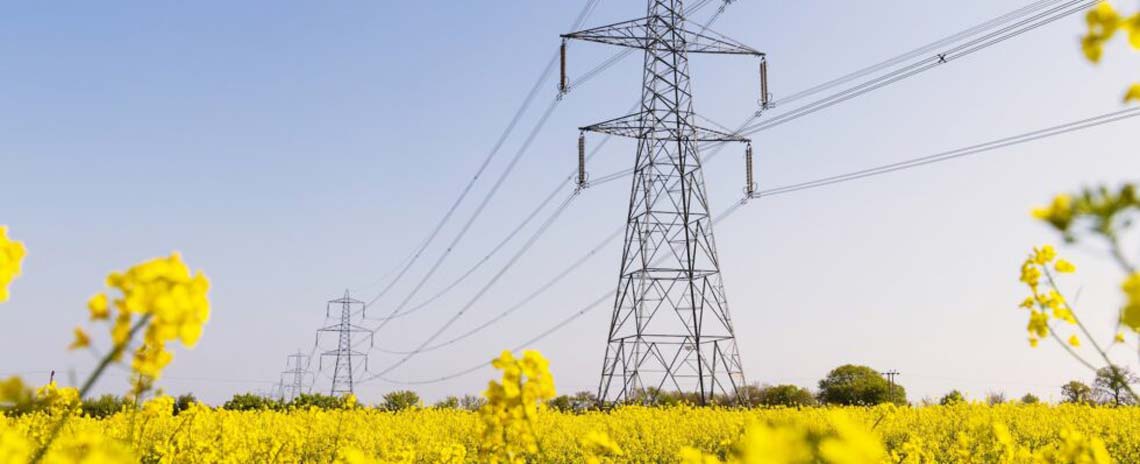
Power disruption is not just an energy issue. For many organisations, even a short planned outage can quickly affect people, technology, communications, customers and continuity.
In 60 seconds
Energy supply pressures, geopolitical instability and wider operational risks have highlighted the need for businesses to prepare for possible power disruption. Even planned rolling outages can affect IT systems, hybrid working, communications, customer service, safety arrangements and financial performance. Organisations should identify critical processes, review backup power options, prepare staff and customer communications, and test business continuity arrangements before disruption occurs.Who this is for
Business Continuity Managers, Operational Resilience Leads, Facilities Managers, IT Teams, Crisis Management Teams, Senior Leaders, Risk Managers, Employers, Venue Operators and organisations reliant on power, connectivity and hybrid working arrangements.
What the guidance and good practice says
Why Power Outage Planning Matters
Energy disruption can create rapid and wide reaching consequences for organisations.
Even where disruption is planned or temporary, the impact can affect technology, communications, customer service, staff welfare, physical safety, supply chains and operational delivery.
In periods of wider geopolitical, economic and infrastructure pressure, power outages should be considered as part of business continuity and crisis planning.
The Omnicrisis Context
The term “omnicrisis” reflects the reality that organisations may face multiple overlapping pressures at once.
Energy shortages, cyber risk, protest activity, supply chain disruption, workforce pressures and geopolitical uncertainty can combine to create complex operating conditions.
As with the Swiss cheese model of incident causation, major disruption often emerges when multiple weaknesses align.
Some organisations may be relatively resilient to one risk, but less prepared when several risks occur together.
Rolling Outages and Operational Disruption
Planned power outages may be temporary, but they can still create significant operational challenges.
Businesses may need to consider:
- Loss of power to offices and operational sites
- Reduced access to IT systems
- Impacts on remote and hybrid working
- Connectivity failures affecting mobile, broadband and cloud access
- Customer communication challenges
- Staff safety and welfare issues
- Disruption to suppliers and service partners
The timing, frequency and duration of outages may be difficult to predict, so organisations need flexible continuity arrangements.
Protected Sites and Critical Operations
Some organisations may explore whether they qualify for protected site status or other exemptions during electricity supply emergencies.
However, many employers will not meet the relevant thresholds and should assume that planned power disruption could affect their operations.
Business continuity planning should therefore focus on practical resilience rather than relying on exemption.
Critical Systems and Processes
The first step is to identify which services, systems and processes must continue during a power outage.
This may include:
- Critical IT systems and servers
- Cloud based applications
- Customer communication channels
- Safety and security systems
- Payment and finance processes
- Staff communication tools
- Operational control rooms or coordination functions
Organisations should prioritise the systems that are essential to safety, continuity and customer impact.
Backup Power and Technology Resilience
Backup power arrangements can help reduce disruption, but they need careful planning.
Organisations should assess:
- Generator availability and capacity
- Battery backup options
- Fuel supply and resupply arrangements
- UPS protection for critical systems
- Cloud service dependencies
- Data backup and recovery arrangements
It is important to recognise that in a wide area outage, fuel, transport, telecoms and supplier support may also be constrained.
Hybrid Working and Staff Welfare
Many organisations rely heavily on home and hybrid working.
Power outages may affect home broadband, mobile networks, laptop battery life, heating, lighting and the ability to work safely.
Employers should consider whether key staff may need access to more resilient work locations during disruption.
Staff should also receive clear guidance on charging devices, downloading critical documents, using mobile hotspots and adjusting working patterns where appropriate.
Communication Planning
Clear communication is essential before, during and after a power outage.
Organisations should prepare communication protocols for:
- Employees
- Customers
- Key clients
- Suppliers
- Senior leaders
- Operational teams
Contact details should be up to date and available offline where required.
Testing the Plan
A power outage plan should not remain theoretical.
Exercises and simulations help organisations test whether staff can access information, communicate effectively, maintain priority services and make decisions during disruption.
Testing can also highlight hidden dependencies such as door access systems, phone systems, payment platforms, heating, security systems and cloud based applications.
Building Practical Resilience
Power outage planning does not need to start with a complex programme.
Organisations can begin by identifying critical processes, confirming backup arrangements, preparing staff guidance and testing a simple disruption scenario.
The key is to move from assumption to evidence.
What good looks like
- Critical systems and processes clearly identified
- Backup power options assessed and documented
- IT and cloud dependencies understood
- Hybrid working risks considered
- Staff and customer communication protocols prepared
- Offline access to essential information available
- Alternative working arrangements identified
- Financial and insurance impacts reviewed
- Data backup and recovery arrangements tested
- Power outage scenarios exercised before disruption occurs
Common mistakes we see
Assuming short outages have limited impact
Even a three hour outage can affect communications, customer service, safety systems, IT access and operational confidence.
Relying too heavily on home working
Hybrid working can be vulnerable when staff lose power, broadband, mobile signal or access to charged devices.
Forgetting telecoms and connectivity
Power disruption can affect mobile networks, broadband cabinets, Wi-Fi, cloud access and phone systems.
No offline contact information
Teams may be unable to access key contacts if information is stored only in cloud systems.
Backup power without fuel planning
Generators and batteries are only useful if capacity, maintenance and fuel resupply have been considered.
No practical testing
Power outage plans often contain assumptions that are only exposed during exercises or real disruption.
Practical checklist
Power Outage Business Continuity Planning
- Identify critical systems and processes
- Confirm backup power options for priority activities
- Review generator, battery and UPS capacity
- Assess fuel supply and resupply risks
- Confirm cloud and IT system dependencies
- Prepare customer communication protocols
- Prepare staff safety and welfare guidance
- Identify alternative working locations
- Review insurance and financial exposure
- Confirm data backup and recovery arrangements
Practical Staff Actions
- Keep work devices charged where outage risk is known
- Download critical documents for offline use
- Maintain offline access to essential contacts
- Understand mobile hotspot options
- Confirm alternative work locations if needed
- Adjust working hours or shift patterns where appropriate
Testing and Exercising
- Run a power outage tabletop exercise
- Test communication cascades
- Check access to critical systems during outage conditions
- Review decision making and escalation routes
- Record lessons and update continuity plans
FAQs
Why should businesses plan for power outages?
Power outages can disrupt IT systems, communications, staff availability, customer service, safety systems and operational continuity.
What should a power outage plan include?
It should identify critical processes, backup power options, communication protocols, staff safety arrangements, data recovery processes and alternative working arrangements.
Are planned outages still a serious risk?
Yes. Even planned outages can create significant disruption if systems, staff and communication routes are not prepared.
What are protected sites?
Protected sites are locations that may be prioritised or treated differently during electricity supply emergencies, but many organisations will not qualify and should plan for disruption.
How does hybrid working affect outage planning?
Home workers may lose power, broadband, mobile signal or access to charged devices, so organisations need alternative arrangements for key staff and priority work.
Should organisations test power outage plans?
Yes. Exercises help reveal hidden dependencies and confirm whether teams can communicate, access critical information and maintain priority services.
What is the first step in preparing?
Start by identifying the systems, processes, people and locations that are essential to maintaining safe and priority operations during disruption.
Controlled Events supports organisations in developing practical business continuity, crisis management and readiness arrangements for complex disruption scenarios.
Through planning, exercising and simulation activity, we help teams understand their vulnerabilities, test their response and strengthen operational resilience.
If your organisation needs support preparing for power disruption or wider “omnicrisis” scenarios, please contact the team to discuss how we can help.