
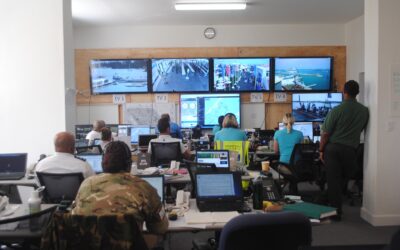
The publication of the Home Office’s Terrorism (Protection of Premises) Act 2025 Statutory Guidance on 15th April 2026 marks the formal shift in...
Protect Duty Explained
The Protect Duty: Breaking Down the Jargon

The Protect Duty aims to improve the safety and security of publicly accessible locations by placing greater responsibility on organisations to consider terrorism related risks and protective measures.
In 60 seconds
Following a series of terrorist attacks across the UK, the Protect Duty consultation explored how legislation could strengthen the protection of public spaces. The proposed framework focuses on organisations responsible for publicly accessible locations and introduces legal expectations around preparedness, security planning and staff awareness. The Duty is expected to reshape how organisations approach protective security and counter terrorism readiness.Who this is for
Venue Operators, Event Organisers, Local Authorities, Retail Operators, Facilities Managers, Security Teams, Public Space Managers, Faith Organisations, Risk Managers and organisations responsible for publicly accessible locations.
What the guidance and good practice says
Why the Protect Duty Was Introduced
The Protect Duty emerged following several major terrorist attacks across the UK, including the Manchester Arena bombing and the London Bridge attacks.
These incidents highlighted the need for stronger protective security arrangements within publicly accessible locations.
The consultation explored how legislation could be used to improve preparedness, awareness and protective measures across a wide range of organisations and public spaces.
Who the Protect Duty Applies To
The consultation focused primarily on larger organisations and public bodies responsible for locations where members of the public gather.
Examples include:
- Entertainment venues and sports stadiums
- Shopping centres and retail destinations
- Tourist attractions
- Large retail chains and gyms
- Parks and public spaces
- Places of worship
- Pedestrianised public areas
A Shift Towards Legal Responsibility
A key principle of the Protect Duty is the introduction of a legal obligation for organisations to consider the safety and security of staff, visitors and the wider public.
This represents a significant cultural shift for many organisations that may previously have viewed counter terrorism primarily as a policing or government responsibility.
What the Duty Could Mean in Practice
The level of expectation is likely to vary depending on the size, complexity and risk profile of the organisation.
For smaller organisations, this may involve:
- Improved staff awareness training
- Basic protective security measures
- Simple incident response arrangements
- Counter terrorism awareness initiatives
For larger or more complex organisations, expectations may include:
- Detailed security planning
- Protective physical measures
- Enhanced control room arrangements
- Specialist risk assessments
- Comprehensive exercising and readiness programmes
- Multi agency coordination
The Relationship With Existing Legislation
One of the key areas of discussion is how the Protect Duty will align with existing Health and Safety responsibilities.
Many organisations already manage safety, fire and operational risks through established frameworks.
The Protect Duty is expected to add a stronger focus on terrorism related threats and protective security arrangements alongside these existing responsibilities.
Why Readiness Matters
Protective security is not only about physical measures.
Effective preparedness also depends on people, procedures, communication and exercising.
Teams need to understand:
- How to identify suspicious behaviour
- How to respond during an incident
- How to communicate effectively
- How to coordinate with emergency services and partners
- How to recover following disruption
Preparing for Future Guidance
As frameworks and guidance continue to develop, organisations should begin reviewing their current preparedness arrangements now.
Early planning allows organisations to identify vulnerabilities, strengthen awareness and prepare proportionate protective security measures before legal expectations fully mature.
What good looks like
- Senior leadership engaged with protective security responsibilities
- Staff trained in counter terrorism awareness
- Protective security measures reviewed regularly
- Incident response procedures documented and tested
- Clear communication and escalation arrangements
- Multi agency coordination considered during planning
- Physical and procedural security measures aligned
- Preparedness integrated into wider organisational resilience planning
- Regular exercising and readiness activity delivered
- Security considered proportionately to the level of risk
Common mistakes we see
Treating protective security as a standalone issue
Protective security should be integrated into wider safety, resilience and operational planning.
Assuming counter terrorism is only a policing responsibility
The Protect Duty places increasing responsibility on organisations operating publicly accessible spaces.
Focusing only on physical security
People, procedures, training and exercising are equally important to effective preparedness.
Waiting for final legislation before planning
Early preparation allows organisations to build capability gradually and proportionately.
Using generic arrangements
Protective measures should reflect the organisation’s actual environment, risks and operational realities.
Practical checklist
Protect Duty Preparation Checklist
- Review publicly accessible locations under your control
- Assess existing security and safety arrangements
- Identify terrorism related vulnerabilities
- Deliver staff awareness training
- Review incident response procedures
- Test communication and escalation arrangements
- Engage with partners and emergency services where appropriate
- Document security and preparedness measures
- Plan proportionate exercising activities
- Monitor future Protect Duty guidance and legislation updates
FAQs
What is the Protect Duty?
The Protect Duty is proposed legislation designed to improve protective security and preparedness at publicly accessible locations.
Who is likely to be affected?
Organisations responsible for venues, public spaces and locations where people gather are likely to be affected.
Will smaller organisations be expected to make expensive changes?
Smaller organisations may only be expected to implement proportionate and low cost measures such as staff awareness and basic preparedness improvements.
How does the Protect Duty relate to Health and Safety?
The Duty is expected to complement existing safety responsibilities by adding a stronger focus on terrorism related preparedness and protective security.
Why should organisations prepare now?
Early preparation helps organisations identify gaps, improve readiness and adapt gradually as guidance and legislation evolve.
Controlled Events supports organisations in strengthening protective security, preparedness and operational resilience for publicly accessible locations.
From readiness reviews and exercising through to staff awareness, incident planning and operational coordination, we help organisations prepare proportionately for evolving responsibilities under the Protect Duty.
If your organisation would like support reviewing its preparedness arrangements, please contact the team to discuss how we can help.